
Wednesday, February 11, 2026
Hospitality marketing strategies that drive more bookings

If marketing feels harder than it used to, you’re not wrong. Hospitality marketing now has to work across more platforms, devices, and guest expectations than ever before.
In December, we hosted our first virtual conference, ThinkGrowth, focused on practical ideas that drive bookings. One session, led by Scott Hall from our ThinkMarketing team and a former inn owner, broke down what is working right now for independent properties and the tools innkeepers can actually use.
This article recaps the session and shares focused hospitality marketing strategies for independent properties seeking better visibility, stronger trust, and more bookings.
Why hospitality marketing works differently today
Hospitality marketing feels different because the guest journey is no longer linear. They might see you on Instagram, check reviews, open maps, then compare rates on Google Travel. Your website is still important, but it’s rarely the first stop.
Most of that research happens on a phone. Guests scroll quickly, switch apps, and come back later. This is why digital marketing for inns has to work in small moments, not just on a desktop search.
Guests move fast, and they make decisions in quick bursts. They might bounce between apps, compare options, and come back later when they’re ready. Your job is to show up clearly in those moments, so your property feels easy to evaluate and worth another click.
The four pillars that shape booking decisions
Before a guest reads a full description or clicks through multiple pages, they are making fast judgments. Most booking decisions come down to four core pillars. These signals help guests decide if your property feels like the right fit, often in just a few seconds.
When these pillars work together, they build confidence early and move guests closer to booking.
Price
Think of pricing as your billboard. Price shows up early, sometimes before a photo loads. It signals value and sets expectations fast. If the price feels out of sync with what guests see, they scroll past. Pricing works best when it matches your positioning and the experience you deliver.
Photos
Photos build trust in seconds. Guests use visuals to judge if the experience matches the price and feels real. Outdated images can make your property feel behind, even if it is not. Fresh, honest photos help you win the click and set the right expectations. Make sure what guests see online matches what they arrive to in person.
Reviews
Reviews confirm that your story holds up. Guests look for recent feedback and patterns, not just star ratings. Strong reviews reduce hesitation and build confidence. Responses also signal that you are active and engaged, which Google loves.
Location
Location has to fit the trip, and guests want clarity fast. They check proximity, convenience, and what is nearby. Clear location details remove friction and help guests decide sooner. If your location feels vague, trust can drop.
Visibility and trust across every touchpoint
Your guest meets you in more places than just your website. They see your Google listing, compare rates on meta search, scan photos, and read reviews, often in a few quick taps. Each touchpoint either builds trust or creates doubt.
Small inconsistencies do real damage. If your photos look fresh on your site but dated on Google, trust drops. If pricing differs across channels, guests hesitate. One weak link can undo everything else.
Keeping details accurate and following Google Business Profile tips helps support meta search visibility and confidence. When your information matches everywhere, your property feels reliable and easier to choose.
How AI is reshaping traveler discovery
Traveler discovery is changing again, and AI is influencing what shows up first. AI tools pull signals from many sources, then surface options that look accurate and up to date.
AI for hospitality matters because visibility now depends on more than keywords. A simple update, like correcting your hours or adding new photos, can help you show up more often and build trust faster.
AI looks beyond keywords and evaluates signals across your digital presence, including:
- Accurate details, like hours, amenities, and rates
- Fresh photos and recent guest reviews
- Consistent information across your website, Google, and OTAs
- Signs you’re active, like updates, social posts, and responses to reviews
When these signals stay clean and consistent, your property is easier for AI to trust and easier for travelers to choose.

Pricing that matches your positioning
Price does more than fill rooms. It sets expectations and signals what kind of experience a guest can expect. When pricing feels aligned with your visuals and messaging, it builds confidence early.
Problems show up when pricing and positioning drift apart. Rates that feel too low or too high for what guests see can cause hesitation. Comparing yourself to the right competitors helps pricing feel intentional rather than reactive. Looking at results through data-driven marketing decisions helps you understand what actually converts.
Pricing works best when it reinforces your story and attracts the type of guest you want.
Visuals and video that feel real
Guests want to see what it feels like to stay with you, not just read about it. Visuals help them decide faster, and authentic content often builds more trust than perfect content.
This is why video marketing for hotels is becoming an increasingly important part of hospitality marketing.
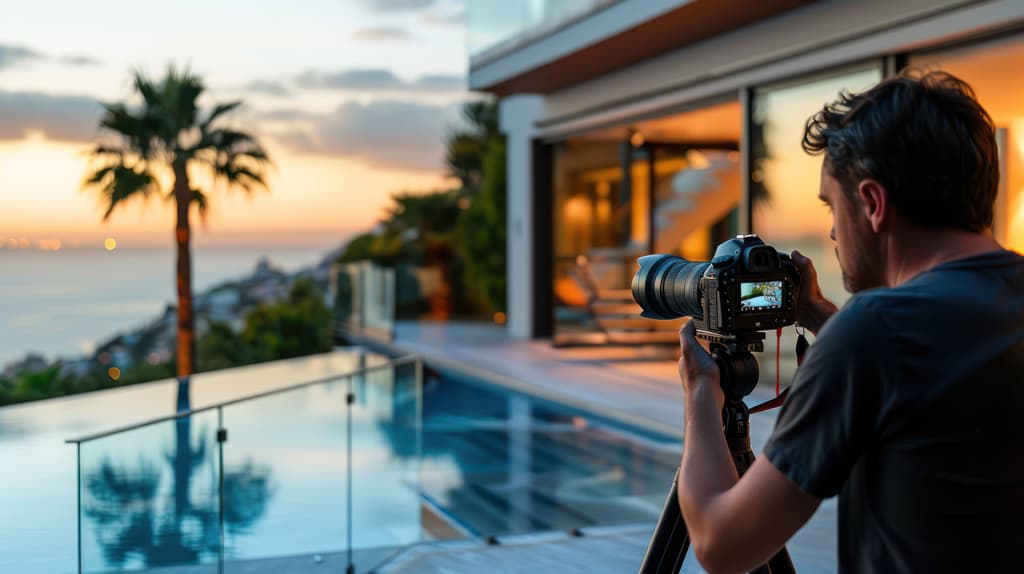
Visuals work best when they feel current and honest:
- Short videos capture movement, light, and atmosphere in a way that photos cannot
- Simple phone clips often feel more believable than overly polished footage
- Fresh visuals signal your property is active and well cared for
- Emotion-led moments help guests picture themselves there
When your visuals match the experience you deliver, trust builds naturally, and booking feels easier.
📌 Pro tip: Ask yourself these simple questions. How does your property make someone feel in the first three seconds on your page? Do your visuals accurately capture and reflect your property?
Paid visibility and marketing data that guides action
It’s not always the best property that wins the booking. Sometimes it’s the most visible. Guests cannot choose you if they never see you, and paid visibility can help you show up at the right moment. For example, when a traveler is comparing options on Google Travel or searching for your property name, paid placement can keep you competitive and easier to find.
Paid ads work best when they capture existing intent, not when they chase attention. Pair that with tracking that actually matters, and your marketing becomes clearer and less stressful. Focus on outcomes, not noise. Look at bookings, revenue, and return on advertising spend (ROAS), then adjust based on what the data tells you.
This is where data-driven marketing decisions support a stronger hospitality marketing strategy. The goal is simple. Spend where it works, and stop doing what does not.
Tips: Quick wins you can implement this week
If you have 30 minutes this week, focus on the basics that remove booking friction. Use this short checklist to make your property easier to find and more trustworthy.
Tips to prioritize this week:
- Update your Google listing with current photos and accurate details
- Check that your rates display correctly across Google Travel and OTAs
- Replace visuals that are more than a year old with a few fresh shots
- Respond to recent reviews so guests see you are present and engaged
- Pick one metric that matters, then make one change based on what it tells you
Pick one item and complete it. One small update creates momentum.
Final thoughts
Hospitality marketing works best when it reflects the experience you already deliver in person. Visibility earns attention, consistency builds trust, and small, focused improvements create momentum. You do not need to do everything at once. One clear update can move the needle.
This session was designed to give you clarity, not more noise. The ideas shared here are practical, measurable, and rooted in what drives bookings today. The best marketing feels like hospitality. Warm, personal, and sincere.
If you want to go deeper, watch the full session replay to hear the examples and context behind these strategies.